
Table of Contents
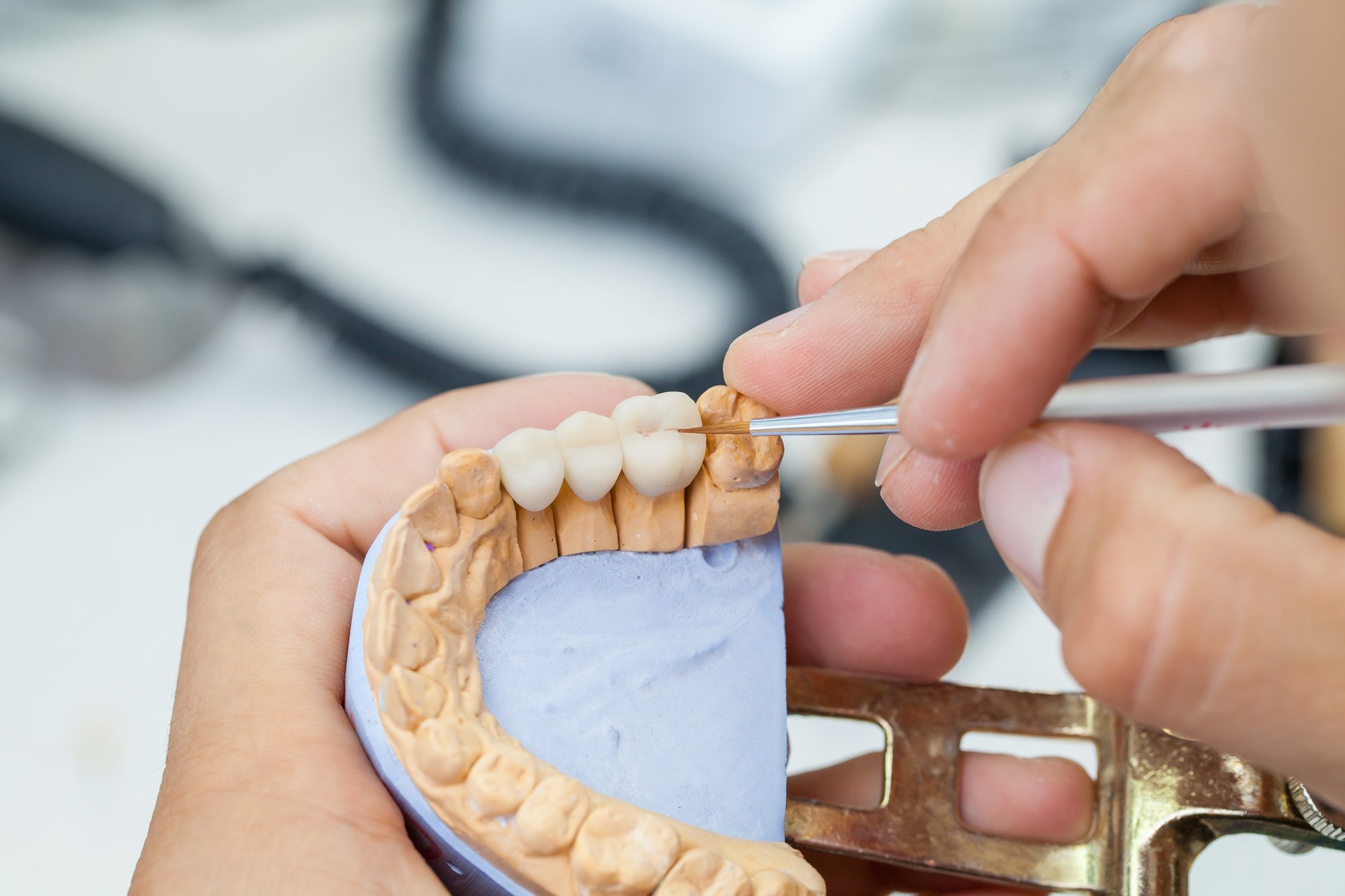
Trying to decide how best to fill the gap from a missing tooth? The choice of dental implants or a bridge rests on a few key factors. A dental bridge is a false tooth held in place by crowns on the healthy teeth beside the gap. A dental bridge offers a faster, non-surgical way to restore your smile and bite.
Key Takeaways
- Both dental implants and bridges replace missing teeth, but in different ways. Each has clear trade-offs.
- A bridge is faster, avoids surgery, and usually costs less upfront. It relies on the teeth beside the gap.
- An implant stands on its own and preserves the jawbone. It costs more and takes several months.
- A bridge requires reshaping the neighboring teeth for crowns. An implant leaves those teeth untouched.
- The right choice for you depends on your budget, timeline, and bone health. Your dental team helps you decide.
Dental Implants or a Bridge: What’s the Difference?
The two options replace a missing tooth in very different ways. According to Colgate, a dental bridge is a prosthetic tooth suspended between two crowns cemented onto the healthy teeth beside the gap, while an implant is a prosthetic tooth attached to a titanium post placed in the jaw. A bridge leans on its neighbors for support, and an implant stands on its own. That basic difference drives most of the trade-offs.
A bridge fills the space without surgery, using the teeth on either side. An implant replaces the root itself, deep in the jawbone. Both implants and bridges restore your ability to chew and smile naturally. The daily experience of the two is more alike than it first seems. You can eat and speak normally with either one, and both look natural in everyday life. The real differences show up in cost, timing, and long-term durability.
Which Is Faster and More Affordable?
A bridge usually wins on speed and upfront cost. It can usually be finished in roughly two appointments across a week or two. An implant costs more at the start and needs several months to heal. For many people, the faster timeline of a bridge is a real advantage.
If you want your smile restored quickly, a bridge is hard to beat. It also avoids surgery, which appeals to a lot of patients. Over many years, the cost comparison can shift. Bridges may need redoing sooner, which adds up. An implant’s higher upfront price can even out across decades. Fewer replacements often mean fewer appointments down the road. For some people, that long view tips the balance toward an implant.
Which Lasts Longer and Protects Bone?
This is where implants tend to pull ahead. Because an implant replaces the tooth root, it helps keep the jawbone from shrinking. A bridge does not stimulate the bone beneath the gap. Implants also tend to last longer before needing any replacement.
A bridge may need redoing after ten to fifteen years. It also relies on filing down two healthy teeth for the crowns. Weighing longevity against upfront cost is often the deciding factor. Some patients value the quick fix, others the long-term investment. A choice is right whenever it matches your priorities. Speed and cost pull some people toward a bridge, while durability draws others to an implant. Both can give you a complete, confident smile that functions well for years.
Which Should I Choose?
No single answer is right for everyone here. A bridge suits people who want a faster, less invasive fix, or who already have healthy teeth beside the gap. An implant suits those focused on long-term durability and on protecting the jawbone for years to come. The health of your gums, bone, and neighboring teeth all play a part in the decision.
The best way to decide is a thorough exam and an honest conversation. Your dental team reviews your options and explains the trade-offs in plain terms. You land on the choice that fits your smile and budget. Your dentist factors in your bone health, your timeline, and the teeth beside the gap. You leave with a clear recommendation and no pressure to decide on the spot. Take the time you need to think it over. The right plan will still be right next week.
Make the Choice That Fits Your Smile
Choosing between dental implants or a bridge really depends on what you value most. A bridge brings speed, a lower upfront cost, and no surgery, while an implant brings longevity and bone protection. A dental bridge is a proven, efficient way to close a gap and get your bite back.
If you want to learn more about choosing dental implants or a bridge, visit our Dental Bridges in Houston, TX, page or schedule a consultation.