
Table of Contents
Is the old filling still doing its job? A few signs give it away. You can usually tell a filling needs replacing when you notice pain, a crack, or a dark edge. A tooth-colored filling is a resin material that repairs a cavity and blends in with your natural tooth. Knowing the warning signs helps you fix a worn filling before it leads to bigger problems. Most filling problems start small and are easy to fix if caught early, so paying attention to your teeth is the best first step.
Key Takeaways
- Fillings can eventually wear out, crack, or fall out.
- New sensitivity or pain in a filled tooth can signal a failing filling.
- Visible cracks, chips, or dark edges often mean a filling needs replacing.
- Decay can form under an old filling where you cannot see it, so exams matter.
- Tooth-colored fillings can usually be replaced in a single, routine visit.
How Long Do Fillings Last?
No filling lasts forever. According to Colgate, fillings do not last forever and eventually need to be replaced, with lifespan depending on the material and daily wear. Tooth-colored composite fillings often last around seven to ten years, sometimes longer with good care. Chewing stress, grinding, and decay around the edges can shorten that.
When a filling reaches the end of its life, replacing it protects the tooth. Larger fillings and those on back teeth tend to wear out sooner, while good brushing, flossing, and checkups stretch a filling’s life. A dentist can tell you how much life a filling likely has left, and age alone does not always mean a filling must go.
What Are the Signs a Filling Is Failing?
Your tooth usually gives you clues. New sensitivity to hot, cold, or sweet foods is a common early sign a filling needs to be replaced. You might also feel a rough edge, a crack, or a small gap with your tongue. Pain when biting down can mean the filling has loosened or cracked. Any of these are worth having a dentist look at. A filling that suddenly feels sharp may have chipped, and food catching in one spot can also signal a gap. Do not wait for pain, since some problems are silent at first, so trust changes you feel, even small ones.
Can You See a Bad Filling?
Sometimes the signs are visible. A tooth-colored filling can darken, stain, or develop a dark line around its edge over time. Cracks or chips in the filling are more visible in the mirror. Modern metal-free fillings blend in, so changes can be subtle, and a dentist may catch them first on an exam or X-ray. Any visible change is worth getting checked. Take a look in good light every so often, and if a filling looks different from how it used to, that is worth mentioning at your next visit.
Why Does Decay Form Under Old Fillings?
An aging filling can let bacteria back in. As a filling wears or pulls away from the tooth, a tiny gap can form at the edge. Plaque and bacteria slip into that gap and cause new decay underneath, where you cannot see it. This hidden decay is a common reason fillings need replacing. Regular checkups catch it before it reaches the nerve. Once decay reaches the nerve, a simple fix can turn into a root canal, which is why early replacement is worth it. Regular X-rays help catch hidden decay under fillings, and a small filling today beats a big procedure later.
How Are Fillings Replaced?
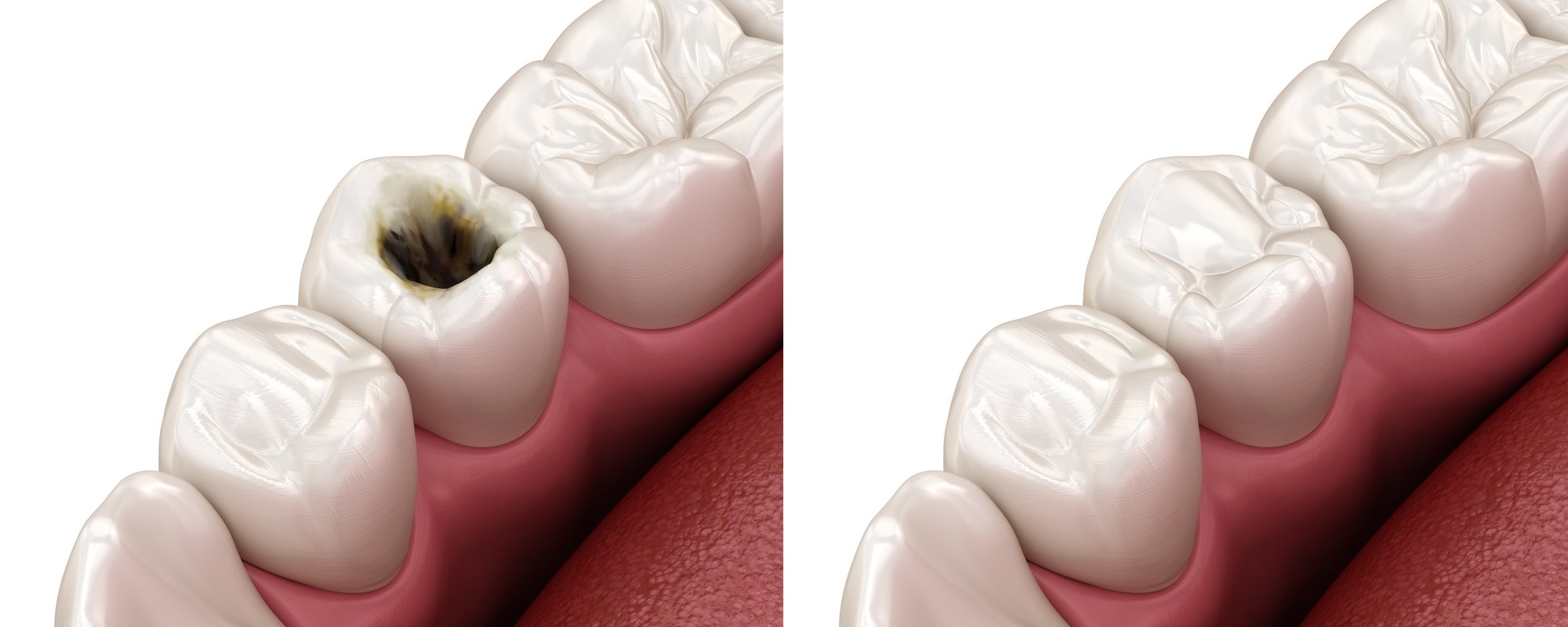
Replacing a filling is quick and routine. The dentist removes the old filling and any decay, then places a fresh tooth-colored one. This composite bonding is shaped and hardened to match your tooth, usually in a single visit. You may feel mild sensitivity for a day or two afterward. The result looks natural and restores the tooth’s strength. The color is matched to your tooth, so the repair is nearly invisible, and there is no downtime to worry about. Most people are back to normal eating the same day.
Frequently Asked Questions
Does a filling that needs replacing always hurt?
Not always. Some failing fillings cause no pain at first, which is why regular exams matter. A dentist can spot wear or decay before you feel anything.
How long do tooth-colored fillings last?
Composite fillings usually last about seven to ten years, sometimes longer with good care. Grinding, large fillings, and back-tooth pressure can shorten that.
Is replacing a filling painful?
Usually not. The area is numbed, so the procedure is comfortable, and any sensitivity afterward fades within a day or two.
Catch a Worn Filling Early
Knowing when a filling needs replacing protects your tooth from bigger trouble. Watch for new sensitivity, cracks, dark edges, or pain when biting. A fresh tooth-colored filling restores the tooth quickly and blends right in. Staying on top of your fillings keeps small problems from turning into root canals or crowns, and staying alert to small changes keeps your smile strong.
If you want to learn more about when a filling needs replacing, visit our Tooth-Colored Fillings in Houston, TX, page or schedule a consultation.