
Table of Contents
- Key Takeaways
- Invisalign vs. Fastbraces: Which Is Faster?
- How Does Fastbraces Work?
- Invisalign vs. Fastbraces: How Do They Compare?
- Which Fits Your Lifestyle?
- Which One Fits Your Timeline?
- Will the Results Last Either Way?
- Does Fastbraces Hurt More Than Aligners?
- What About the Cost?
- The Right Fit for Your Smile
Your ideal choice depends on your case, your goals, and your timeline.
Trying to decide between clear aligners and a faster braces system? In the Invisalign vs. Fastbraces debate, the better fit really depends on your case and your timeline. Fastbraces is a braces system that uses a triangular bracket and a heat-activated wire designed to move teeth efficiently. Invisalign, by contrast, straightens teeth with a series of clear, removable trays, so the right pick hinges on your goals for looks, comfort, and speed. If you want a straighter smile in time for a season of outings around the Galleria, your timeline is worth thinking through.
Key Takeaways
- Fastbraces is a bracket-and-wire system built to move teeth efficiently. Invisalign uses clear, removable trays instead.
- No option is automatically faster, since the timeline depends on your specific case. Complexity drives how long treatment takes.
- Fastbraces stays on and works around the clock without you thinking about it. Invisalign relies on your wearing it consistently.
- Invisalign is nearly invisible and removable for meals and cleaning. That flexibility appeals to many adults.
- A consultation and imaging are the only way to pin down your real timeline. Both can deliver a straighter, healthier smile when the plan is followed.
Invisalign vs. Fastbraces: Which Is Faster?
Speed is the first thing most people ask about, and the honest answer is nuanced. According to the American Association of Orthodontists, no single approach is automatically faster than another because treatment time varies with an individual’s orthodontic needs. A simple case may move quickly with either method, while a complex one takes longer regardless. Your specific bite and goals decide the timeline more than the brand does.
How Does Fastbraces Work?
Fastbraces takes a different engineering approach than standard braces. It uses a triangular bracket paired with a heat-activated wire meant to move the tooth crown and root together from the start. Supporters say this design can shorten treatment for suitable cases. Results vary from person to person, so a consultation determines whether it fits your situation.
Invisalign vs. Fastbraces: How Do They Compare?
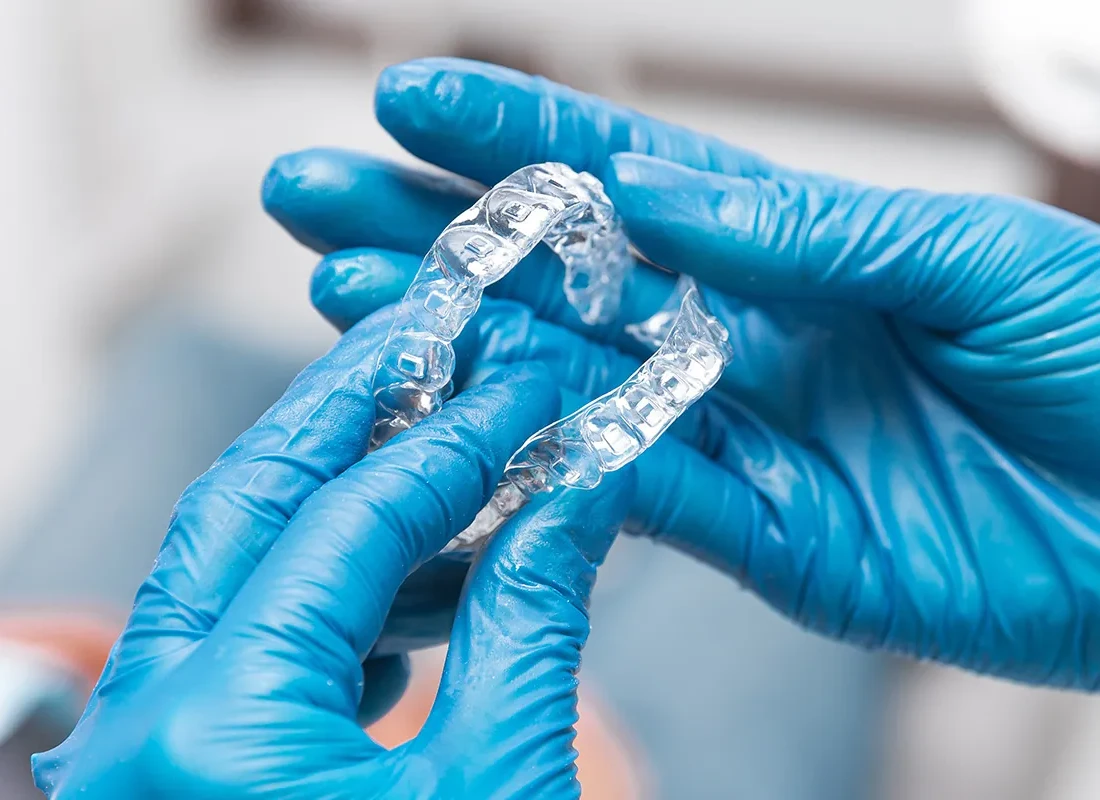
Invisalign works with a series of custom, clear trays worn over the teeth. Each set nudges your teeth a little closer to the goal, and you switch to the next every week or two. The trays come out for eating, brushing, and photos, which many adults love. The catch is discipline, since the trays only work when you actually keep them in as prescribed.
Which Fits Your Lifestyle?
Beyond speed, day-to-day fit matters just as much. Treatment time is only part of the picture, since the option you choose will shape your mornings, your meals, and your routine for months at a stretch. Weigh these factors:
- Appearance. Invisalign trays are nearly invisible in daily life. Fastbraces brackets are visible, though smaller than some braces.
- Convenience. Fastbraces works around the clock with no removing required. Invisalign must be worn 20 or more hours a day.
- Eating. With Invisalign you take the trays out to eat anything. With braces, you avoid sticky and hard foods.
- Cleaning. Invisalign lets you brush and floss normally. Braces need a little extra care around the brackets.
- Discipline. Braces do their work around the clock, no reminders needed. Aligners depend on your consistency.
Which One Fits Your Timeline?
Timeline is personal, so the smartest move is a professional assessment. An orthodontist or dentist reviews your teeth, jaw, and goals with scans and images before estimating how long each option would take. From there, you can weigh speed against comfort and appearance. That plan turns a guess into a realistic schedule.
Will the Results Last Either Way?
Both paths can end in a straight, healthy smile when the plan is followed. The lasting part comes after treatment, when a retainer holds your teeth in their new spots. Skipping the retainer lets teeth drift back, no matter which method you chose. Commit to that final step and the results can last for many years to come.
Does Fastbraces Hurt More Than Aligners?
Any teeth-straightening method causes some soreness as teeth shift. Fixed braces can rub the cheeks and feel tender after adjustments, while aligners tend to ache mainly when you start a new tray. Most discomfort is mild and fades within a few days. Over-the-counter pain relief and soft foods help during those early stretches.
What About the Cost?
Cost depends on your case, your provider, and how long treatment runs. In general, a straightforward case costs less than a complex one, no matter which method you choose. Many offices offer payment plans, and some dental insurance helps with orthodontic care. A consultation gives you a clear quote before you commit to anything.
The Right Fit for Your Smile
In the end, this choice is less about which option is trendier and more about which suits your case and your calendar. Fastbraces or clear aligners, the best plan is always the one you will actually stick with over the months ahead. A consultation is the surest way to match the method to your timeline, your budget, and your comfort.
If you want to learn more about Invisalign vs. Fastbraces, visit our Fastbraces in Houston, TX, page to schedule a consultation.