
Table of Contents
Wondering what to expect when you sit in the dental chair? Here is what really happens at a dental checkup, step by step. A dental checkup is a routine visit that combines a professional cleaning with a full exam of your teeth and gums. Dental exams and X-rays catch small problems early, well before they grow serious. It is an easy visit to fit in before a weekend at the Kemah Boardwalk.
Key Takeaways
- A dental checkup usually includes a cleaning, a full exam, and sometimes X-rays. Each part has a purpose.
- A hygienist removes plaque and tartar that brushing at home cannot reach. Then your teeth are polished and flossed.
- The dentist examines your teeth, gums, bite, and soft tissues for any problems. Early issues are easier to treat.
- X-rays are taken only when needed to see what the eye cannot. They reveal decay and bone changes below the surface.
- Most checkups also include an oral cancer screening. Regular visits keep small problems from growing.
What Happens at a Dental Checkup?
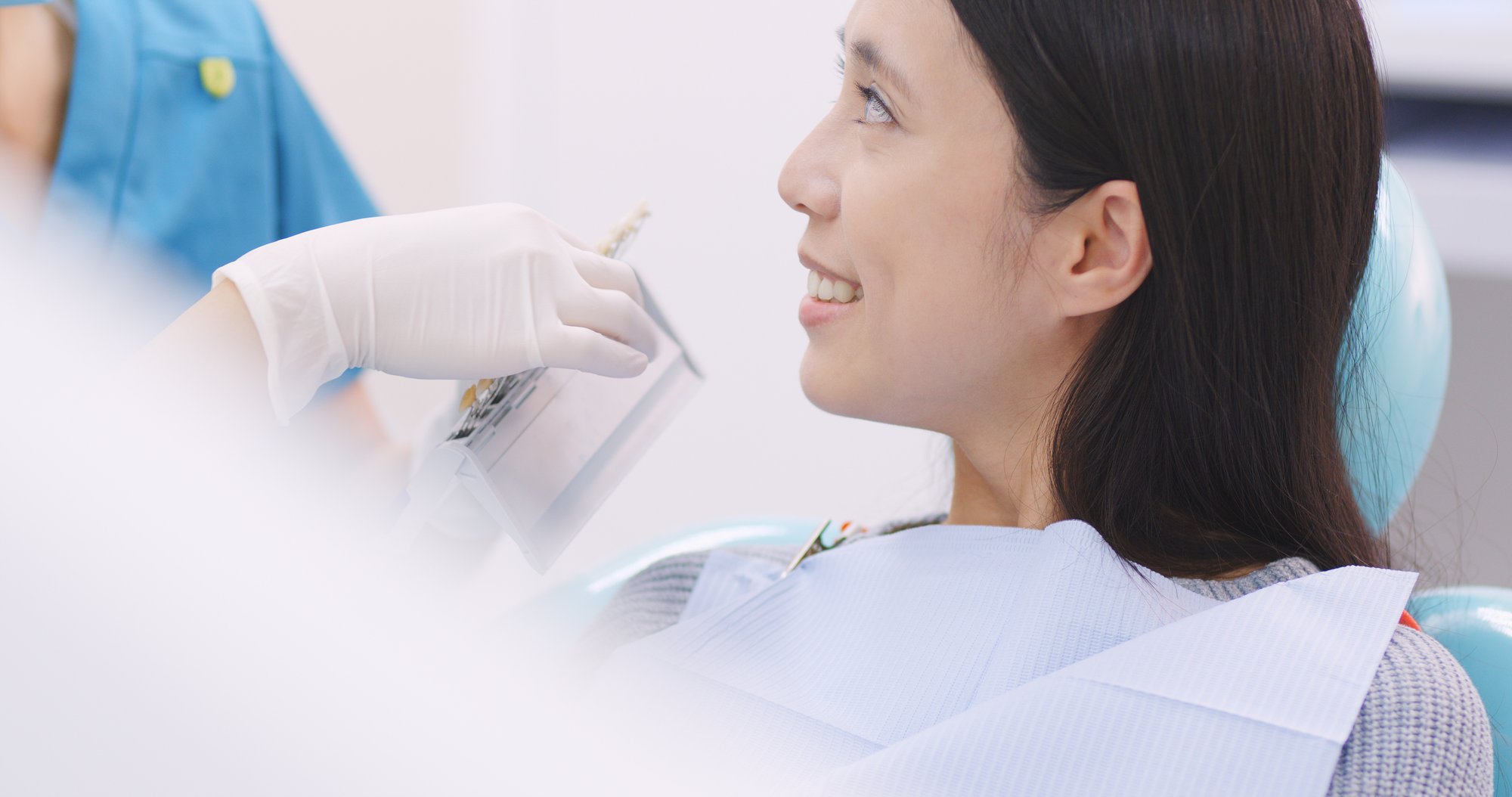
A checkup usually starts with a professional cleaning, then moves to the exam. According to MouthHealthy from the ADA, the dentist or hygienist reviews your medical history, examines your mouth, and decides if you need X-rays. The hygienist may also check your gums for signs of gum disease. The dentist then evaluates your overall dental health and performs an oral cancer screening.
The cleaning clears away hardened tartar that home brushing simply cannot lift. After that scaling step, your teeth are usually polished and flossed. The whole visit is painless for almost everyone. Any sensitivity is usually brief and mild. The hygienist can adjust if a spot feels tender.
Why Are X-Rays Part of the Visit?
X-rays let the dentist spot trouble a visual exam would miss. They show decay between teeth, bone loss, and issues hidden below the gumline. You will not need X-rays at every visit, only when they add useful information. Modern digital X-rays use lower levels of radiation.
For new patients, X-rays help set a baseline for future visits. The dentist weighs your age, history, and risk before ordering them. The goal is always the clearest picture with the least exposure. That balance is why X-rays are used sparingly. You get the information you need without extra imaging. Digital sensors also make each image faster and clearer than older film. That means less time in the chair for you, and quicker answers about your care.
How Long Does a Dental Checkup Take?
Most routine checkups take about forty-five minutes to an hour. Simple visits with a healthy mouth tend to move quickly. If you need extra cleaning or X-rays, it may run a little longer. Your first visit often takes more time because of new-patient paperwork.
Arriving a few minutes early helps the visit stay on schedule. Sharing any concerns up front lets your dental team focus where it matters. A little preparation makes the appointment smooth. Bringing a list of medications helps them tailor your care. Mentioning any dental anxiety lets them slow down and keep you fully at ease.
How Often Should You Get a Checkup?
Most people do well with a checkup every six months. Those with gum disease or other risks may need to come more often. The dentist will recommend a schedule based on your mouth. Regular visits are the easiest way to catch problems early.
Skipping checkups lets small issues grow into costly ones. A quick cleaning and exam now can save time and money later. Your dental team helps you find the right schedule for your needs. Some people thrive on twice-yearly visits, while others need closer monitoring. The plan is built around your mouth, not a one-size rule. That personal approach is what keeps small problems from ever becoming big ones.
Frequently Asked Questions
Does a dental checkup hurt?
Usually not. Cleanings and exams are painless, though sensitive teeth or gums may feel mild discomfort.
Do I need X-rays at every checkup?
No. X-rays are taken only when they add useful information, based on your age, history, and risk.
How often should I see the dentist?
Every six months suits most schedules. If you have certain risk factors, the dentist may suggest more frequent visits.
Keep Your Smile Healthy With Regular Visits
Knowing what happens at a dental checkup makes the whole visit much less intimidating. A cleaning, a thorough exam, and X-rays when needed work together to protect your smile. Dental exams and X-rays help you stay ahead of trouble and keep your teeth healthy for life.
If you want to learn more about what happens at a dental checkup, visit our Dental Exams & X-Rays in Houston, TX, page or schedule a consultation.