
Table of Contents
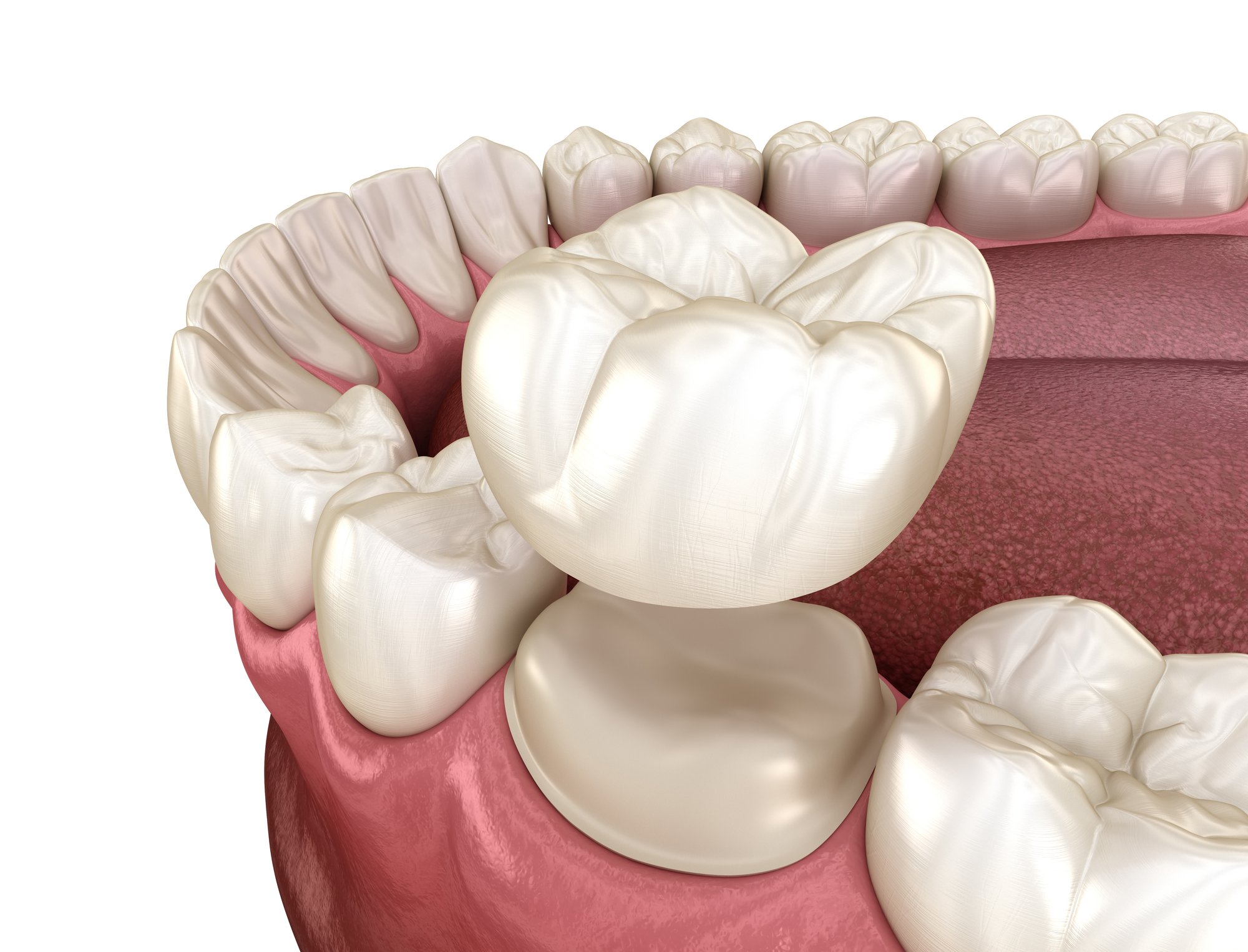
Wondering why some crowns last decades while others fail early? Habits and care make the difference. Several everyday things can shorten the life of a dental crown, from grinding to skipped checkups. A dental crown is a cap that covers a damaged tooth to restore its natural shape, strength, and look. Knowing what wears crowns down helps you protect yours for as long as possible. Most of what shortens a crown is preventable with simple care, and knowing the causes puts you in control. A few good habits can add years to any crown.
Key Takeaways
- A dental crown usually lasts five to fifteen years with proper daily care.
- Grinding and clenching put heavy stress on crowns and can crack them over time.
- Poor brushing lets decay form where the crown meets the natural tooth.
- Chewing ice or hard candy can chip or loosen a crown well before its time.
- Regular dental visits catch problems early and extend a crown’s lifespan.
How Long Should a Crown Last?
Most crowns last many years, but not forever. According to the Cleveland Clinic, dental crowns last around five to 15 years on average, depending on wear and how well you care for them. Some crowns last much longer with good habits, while others fail early. The material, the tooth’s location, and your daily care all play a role. Knowing the average helps you spot when a crown may be nearing the end. Porcelain and metal crowns tend to last longer than all-resin ones, and where the crown sits matters, since back teeth take more force. Many crowns outlast their estimate with good care, so it is worth knowing what your specific crown is made of and how long to expect. Your daily care, though, is the biggest factor you control.
Does Grinding Wear Crowns Down?
Yes, grinding is a top cause of early crown failure. Clenching or grinding, called bruxism, puts intense pressure on the crown and the tooth beneath it. Over time, this can crack the crown or wear it thin. A custom mouth guard spreads that force and protects your crown while you sleep. Waking with a sore jaw is a common sign that one would help. Grinding often happens during sleep, so many people do not notice it, and stress can make clenching worse. A guard is a small step that protects a costly crown, and it also eases jaw soreness and headaches. It is worth looking into if a partner hears you grind at night.
Can Decay Still Form Under a Crown?
A crown does not make a tooth decay-proof. Where the crown meets the natural tooth, plaque can build up and cause decay if you skip brushing and flossing. Decay under a crown is a common reason a dental crown replacement becomes necessary. Brushing twice daily and flossing around the crown keeps that margin clean. Healthy teeth and gums are what let a crown last. The tooth under a crown is still alive and can get cavities, so flossing around the base is important, and keep that margin spotless every day. A dentist checks the crown’s edges at every visit for early decay. Skipping that care is a common reason crowns fail early.
What Everyday Habits Shorten a Crown’s Life?
Small habits add up over the years. Chewing ice, hard candy, or pens can chip or loosen a crown, just like a natural tooth. Using your teeth to open packages puts them at risk too. Sticky foods can pull at a crown’s edges, and acidic drinks can weaken the tooth around it. Gentle, everyday care keeps a crown solid. Even chewing on the same side all the time can add wear, so try to spread the load across both sides of your mouth. Opening packages or biting thread can crack a crown in an instant. Being mindful at meals goes a long way.
How Do You Make a Crown Last?
A few habits give you the most years. Brush and floss daily, wear a mouth guard if you grind, and avoid using your teeth as tools. Keep up with checkups so a dentist can spot wear early. These steps are the key to long-lasting dental restorations of any kind. A well-cared-for crown can protect your tooth for well over a decade. Cutting back on very hard or sticky foods helps too, and so does treating any grinding early. A quick daily routine is all it really takes to protect both the crown and the tooth beneath it.
Protecting Your Crown for the Long Run
Several things can shorten the life of a dental crown, but most are within your control. Grinding, poor brushing, hard foods, and skipped visits are the usual culprits. With daily care, a mouth guard if you need one, and regular checkups, a dental crown can last for many years. Treat your crown well, and it will keep protecting the tooth underneath it for years to come.
If you want to learn more about the life of a dental crown, visit our Dental Crowns in Houston, TX, page or schedule a consultation.